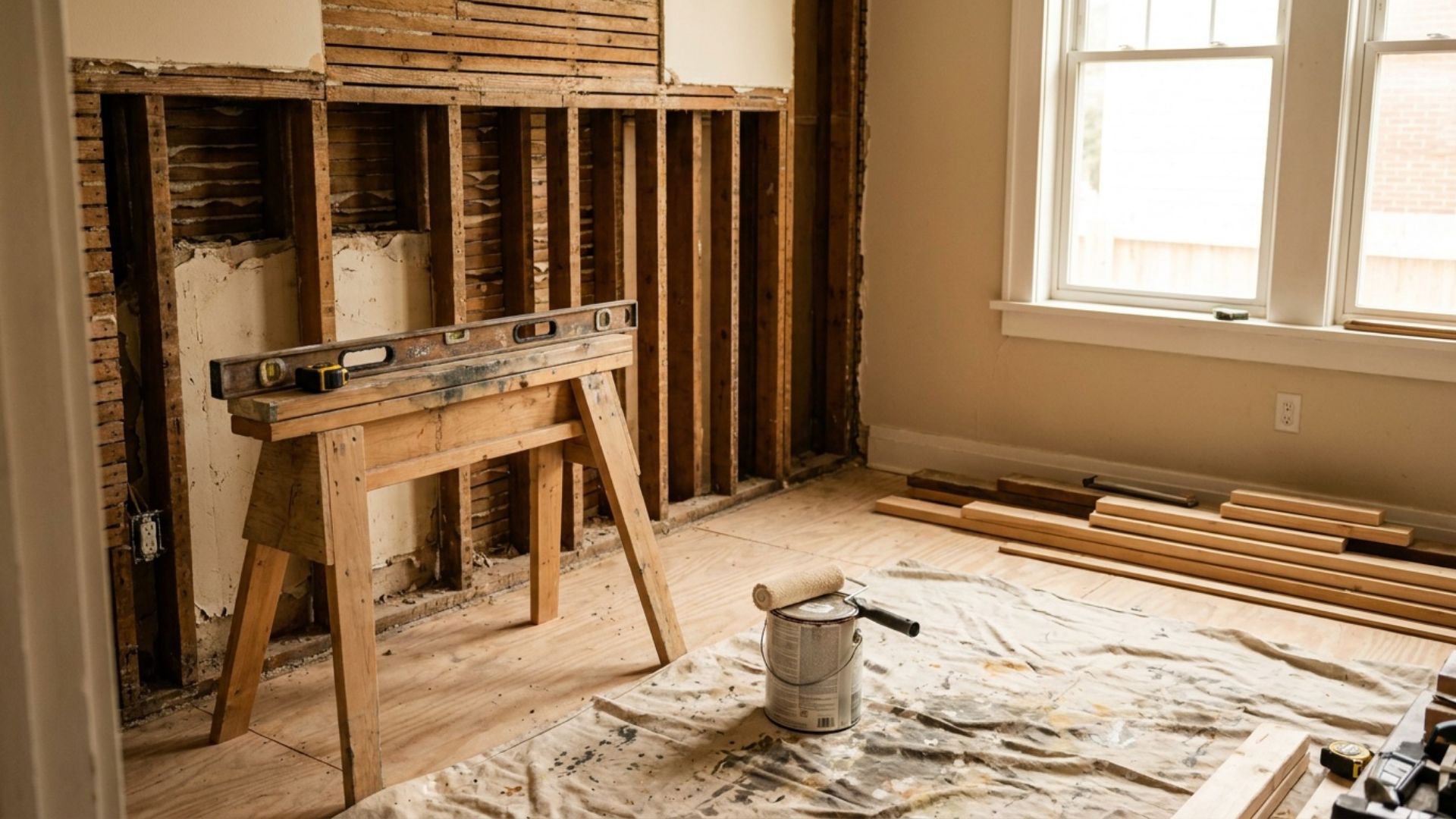
How Do I Estimate Rehab Costs on a Flip? (A Real-World Breakdown)
You estimate a rehab in two passes: a fast per-square-foot gut check to see if a deal is worth a closer look, then a room-by-room walk that turns scope into real dollars. Here is how I do it on houses around Louisville, where the surprises hide, and where to stop before you over-improve.
You estimate a rehab in two passes. First a fast, per-square-foot gut check to see whether a deal is even worth a closer look. Then a room-by-room, line-item walk that turns the actual scope into real dollars. The first pass keeps you from wasting a Saturday on a house that will never pencil; the second keeps you from losing money on the one that will.
Here is how I actually do it on houses around Louisville and Southern Indiana, and where I have learned to leave room for the things you cannot see yet.
Start with a number you can sanity-check against square footage. I sort houses into three buckets, and in the Louisville market these are the rough ranges I carry in my head:
- Cosmetic (paint, flooring, fixtures, a light kitchen and bath refresh): roughly $15 to $30 a square foot.
- Moderate (the cosmetic list plus some systems, a fuller kitchen, updated baths): roughly $30 to $50 a square foot.
- Heavy or gut (down to the studs, new systems, layout changes): $50 a square foot and up, sometimes well up.
These are gut-check numbers, not a bid. Their whole job is to tell you in five minutes whether a house is worth an hour. If the fast math already kills the deal, you just saved yourself the hour.
Walk the house and price it in pieces. I move through the big-ticket systems first, because that is where the money hides: roof, HVAC, the electrical panel, and plumbing. A house can have a pretty kitchen and a $9,000 problem in the crawl space. Then I price the visible scope room by room: kitchen, bathrooms, flooring throughout, interior and exterior paint, and curb appeal.
The trick is to write down the scope as you walk, not from memory in the truck afterward. The soft spot by the back door, the panel that has to go, the water heater on borrowed time. Those are the line items people skip when they estimate from a photo, and they are exactly the ones that eat the profit.
Budget for the surprise, because there is always one. On a recent split-level I picked up, we opened the walls to reconfigure the kitchen and found hidden leaks in several supply lines. Because the walls were already open, we cut them out and re-ran PEX right then instead of paying to open everything up again in six months. That was not in the first estimate. It should not have to be, if you carry a contingency.
I build in a cushion on every project, and I treat "we opened the wall and found something" as a when, not an if. A rehab estimate without a contingency line is a wish, not a budget.
This is the part no per-square-foot formula can do for you: knowing where to stop. On that same split-level, the vinyl windows were dated but perfectly functional. Replacing them would have run several thousand dollars for almost no return, so we kept them and moved roughly $5,000 of that budget to painting the exterior brick, which changed the curb appeal completely. Same money, far more impact.
The rule I keep coming back to: renovate to the comps, not past them. The neighborhood sets the ceiling. Put a luxury kitchen in a starter-home block and you have spent money the resale will never pay back. Estimating a rehab is as much about deciding what to leave alone as what to fix.
Honestly, in the front half, not the pricing. I run my scoping through an AI setup I have built, where I talk the walkthrough out loud in plain English and it turns that into a structured, itemized estimate. But it never sets the prices. Those come from a fixed pricing engine with my real line-item costs, the same math every time. The language model is good at organizing the conversation and terrible at knowing what a panel swap costs in Louisville. So I keep it away from the numbers. The judgment, and the cost basis, stay mine.
If you are new to this, or the house is a heavy rehab, get a contractor or two to walk it and bid before you commit. A per-square-foot number is a screening tool, not a substitute for a real bid on a house you are actually buying. The cost of one bad estimate is almost always bigger than the cost of a second opinion.
How much does a 30-day cosmetic rehab usually cost in Louisville? For a typical cosmetic refresh, plan for something in the low-to-mid five figures depending on size and finish level. The bigger variable is usually the kitchen and how far you take it.
What is the most commonly underestimated cost? Systems you cannot see: plumbing, the electrical panel, and anything under the house. Cosmetic costs are predictable; the surprises live behind the walls.
Do I need exact numbers to make an offer? No. You need a defensible range and a contingency. You tighten the estimate as you get bids; you make the offer on the range and protect yourself with the cushion.
What if I would rather skip the whole process? If you are a homeowner sitting on a house that needs work and you do not want to project-manage a rehab, that is exactly the kind of house we buy as-is. Happy to give you a straight read either way, and if listing it makes more sense for you, I will say so and point you to an agent I trust.
CRG Holdings / Cobb Resource Group is a Louisville-based real estate investment company serving the Kentuckiana market. This reflects our own experience and is not financial advice.
Share this post
Related Posts
How Long Does a Cash Home Sale Take From Offer to Closing?
Most cash home sales in Louisville close in about two to four weeks from the day you accept the offer, because there is no mortgage lender in the middle. Here is what actually takes the time, what slows it down, and how fast it can realistically go.
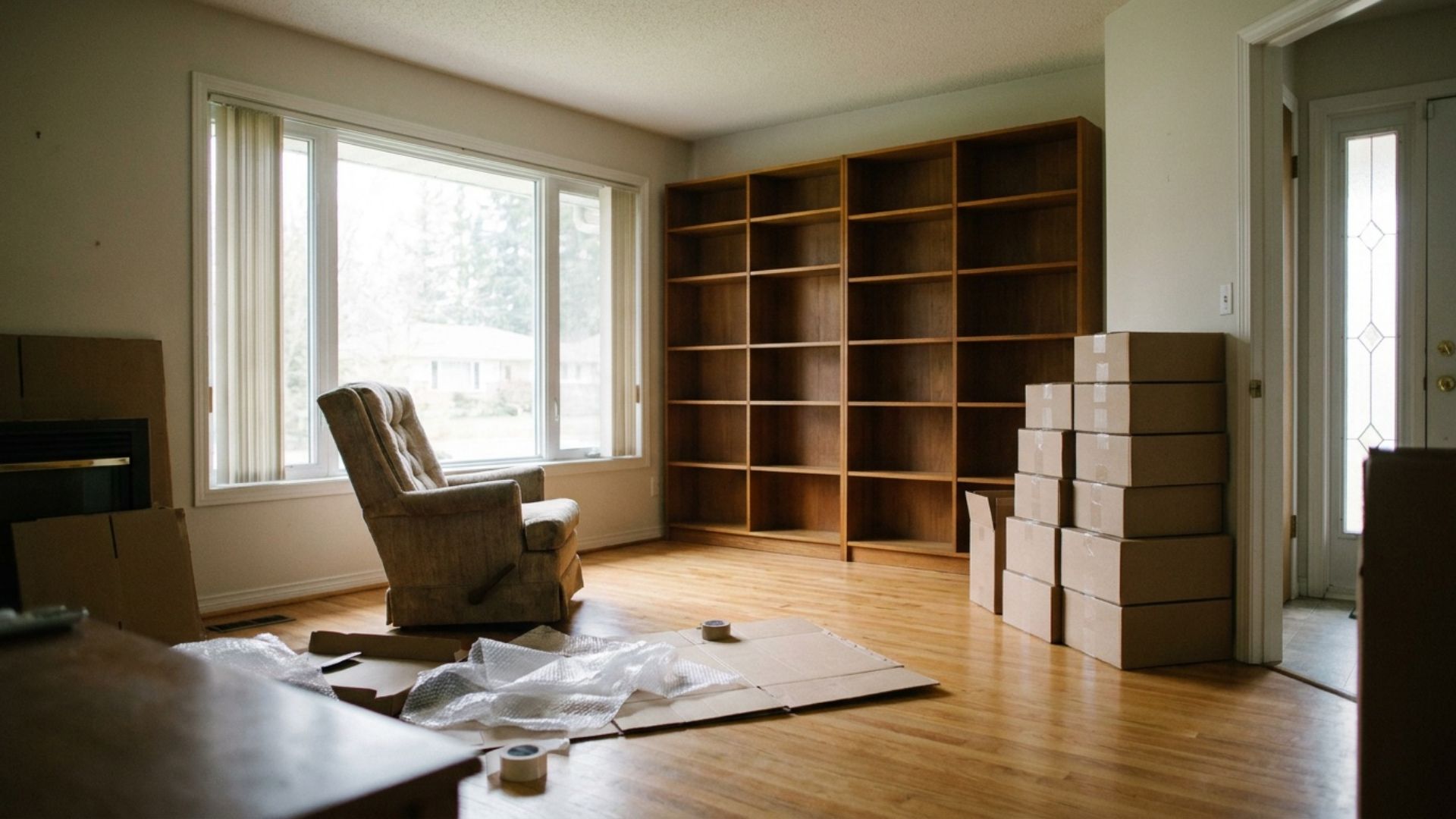
What Happens to All My Stuff When I Sell a House As-Is?
If you sell your house as-is to a cash buyer in Louisville, you take what you want and leave the rest. You do not have to empty the house, rent a dumpster, or pay a junk removal company. Here is how the cleanout actually works, what it costs you, and the one thing you should never leave behind.

Can I Sell My House Before Foreclosure in Kentucky?
Yes. In Kentucky you can sell your house at any point before the foreclosure sale is completed, and in most cases selling is a better outcome than letting the process run its course. Here is the honest version of your options, how long you actually have, and when a lawyer or an agent is the better call than a cash buyer.