What Happens to All My Stuff When I Sell a House As-Is?
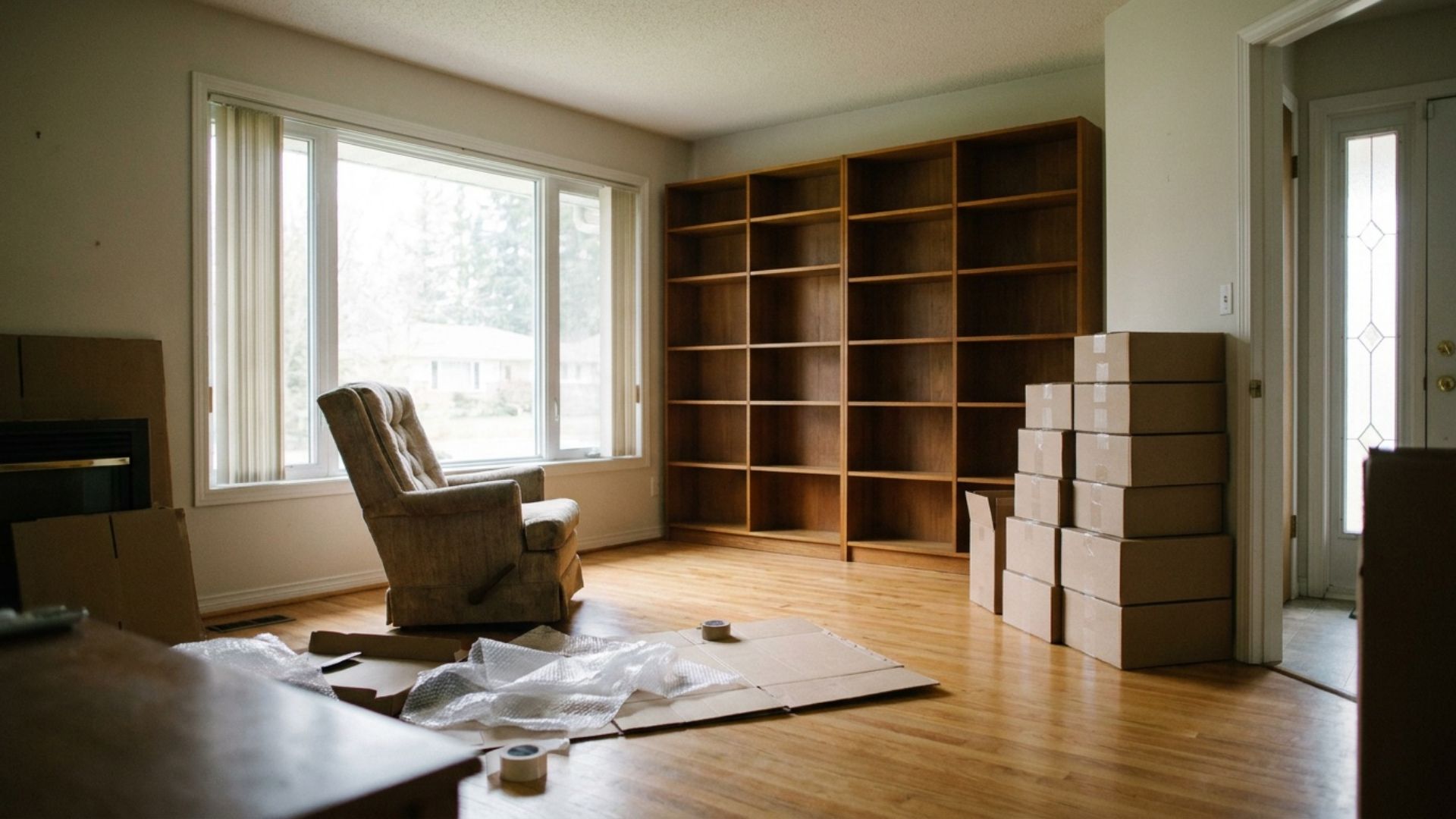
If you sell your house as-is to a cash buyer in Louisville, you take what you want and leave the rest. You do not have to empty the house, rent a dumpster, or pay a junk removal company. Here is how the cleanout actually works, what it costs you, and the one thing you should never leave behind.
If you sell your house as-is to a cash buyer in Louisville, you take what you want and leave the rest. You do not have to empty the house, haul anything to the dump, rent a dumpster, or pay a junk removal company. Clearing out what stays is my job after closing, not yours before it.
I say that in almost every conversation I have, and it is still the part that surprises people most. Price is usually the first question. The stuff is the one that has actually been keeping somebody up at night.
Because it is rarely just stuff.
A house lived in for thirty or forty years holds a basement, an attic, a garage, and a spare bedroom nobody opened after a certain point. If you are selling because a parent passed away, or because you are moving out of state on a deadline, the physical job of emptying it can feel bigger than the sale itself.
I have sat at kitchen tables with people who had already decided to sell and were stuck anyway, because they could not picture clearing out a house from four hundred miles away. That is a solvable problem. It just gets solved in the wrong order, where people assume they have to empty the house before anyone will look at it.
It means exactly what it says, and here is the practical version.
- Before closing, walk the house and pull what matters to you. Photos, documents, jewelry, tools, furniture you want, anything with a story attached. Take your time on this part. It is the only part that cannot be undone.
- You do not have to sort the rest. You are not obligated to separate donate from trash from sell. That sorting is part of what I take on.
- Leave the appliances if you want. Old washer, dryer, refrigerator, the deep freeze in the basement. They usually stay.
- The cleanout happens after closing. Once the house is mine, the cleanout crew is a normal early line item on a rehab. It is the first thing that happens, before demo, every time.
If there is something you want out but cannot physically move, say so before we sign. That is a conversation, not a problem.
Two honest ones.
It is priced in, because it costs money. A full cleanout on a house that has been lived in a long time is real labor and real dumpster fees. That cost sits inside the offer, the same way a roof or a furnace does. I would rather tell you that plainly than pretend it is free. What you get in exchange is that you never write a check for it, never coordinate it, and never spend a Saturday on it.
Do not leave something you will want back. Once we close, the house and what is in it are mine, and the cleanout starts fast. I have had a seller call two weeks later about a box in an attic. We found it that time. I would not want anyone counting on that.
Then it is genuinely full, and that is fine.
A garage packed to the ceiling, a basement with forty years of paint cans in it. I have bought all of that. It affects the number and it nudges the timeline. It does not disqualify the house, and it is not something to be embarrassed about. The people who are hardest on themselves about the condition of a house are almost always the ones who were busy taking care of somebody else.
If your house is in good shape and mostly empty already, listing it on the open market will usually net you more than a cash sale will. That is just true, and you should hear it from me rather than find it out later. The as-is route earns its keep on speed, certainty, and not having to do any of the work. If you do not need those three things, you may not need me.
If listing is the right call for you, tell me and I will connect you with an agent I would send my own family to, whether you sell to me or not.
Do I have to clean the house before closing? No. You do not need to sweep, scrub, or stage anything. Take what you want and lock the door.
What about a car, a boat, or a camper in the driveway? Bring it up early. Vehicles and titled property are handled separately from the house, so we just need to agree on it in writing before closing.
What happens to things that still have value? Usable furniture, appliances, and household goods generally get donated locally rather than dumped. Anything you specifically want donated somewhere, tell me and I will see it there.
Can I take a few more days after closing to finish moving? Often yes. Post closing possession is common in these deals and depends on the situation. It is worth asking for rather than assuming.
If you are sitting on a house in Louisville, Jefferson County, or Southern Indiana that is full and that is the reason you have not called anybody, that is the reason to call. I will tell you straight what I see, what I can do, and when somebody else is a better fit.
Paul Cobb, CRG Holdings · Louisville, KY
Share this post
Related Posts
How Long Does a Cash Home Sale Take From Offer to Closing?
Most cash home sales in Louisville close in about two to four weeks from the day you accept the offer, because there is no mortgage lender in the middle. Here is what actually takes the time, what slows it down, and how fast it can realistically go.
Can I Sell My House Before Foreclosure in Kentucky?
Yes. In Kentucky you can sell your house at any point before the foreclosure sale is completed, and in most cases selling is a better outcome than letting the process run its course. Here is the honest version of your options, how long you actually have, and when a lawyer or an agent is the better call than a cash buyer.
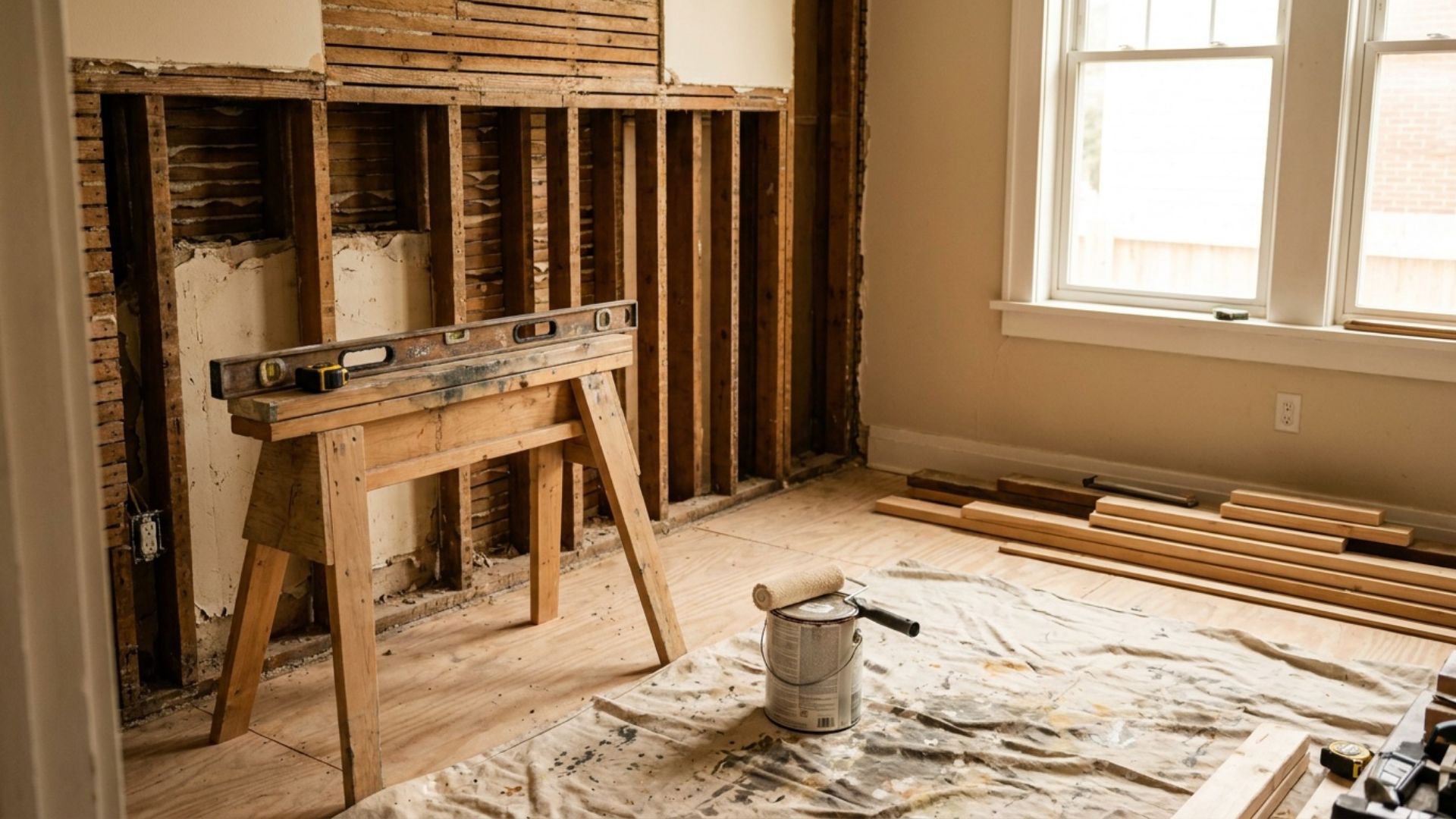
How Do I Estimate Rehab Costs on a Flip? (A Real-World Breakdown)
You estimate a rehab in two passes: a fast per-square-foot gut check to see if a deal is worth a closer look, then a room-by-room walk that turns scope into real dollars. Here is how I do it on houses around Louisville, where the surprises hide, and where to stop before you over-improve.